
NPM-116: Identifying plant diseases
What is a Disease?
Any deviation from the normal behaviour or a condition where normal condition is impaired in a living organism with specific signs and symptoms is called a disease. Different living organisms
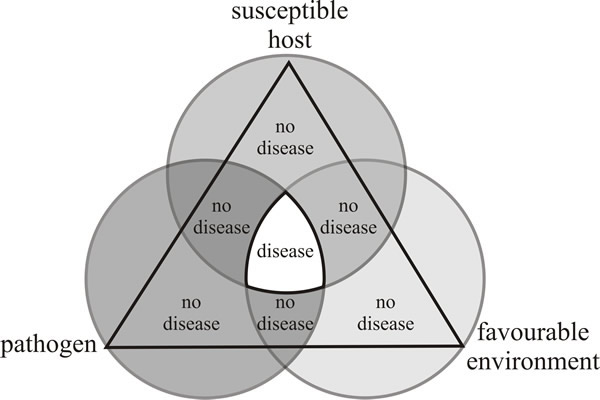
would have different diseases and different microbes would cause different diseases. For any disease to be occurred, three conditions should be there. i.e., a congenial environment, a virulent pathogen / disease causing agent and a weak host. This together is called a disease triangle. If any one condition is lacking, the disease may not occur.
With naked eye it is difficult to see the disease-causing agents as they are microscopic in nature. Only signs and symptoms could be observed. Often nutrient deficiency symptoms and disease symptoms are confusing. The difference is, diseases spread and deficiency symptoms are area specific and are expressed where the nutrient is deficient.
Identifying plant diseases accurately in the field is critical for timely management and control. Plant diseases can be caused by various pathogens, including fungi, bacteria, viruses, nematodes, and environmental factors. Here’s a guide on how to identify plant diseases based on symptoms and causes.

1. Fungal Diseases
- Common Characteristics: Fungi are among the most common plant pathogens and are responsible for a wide variety of diseases. They spread through spores and often thrive in warm, moist environments.
- Key Symptoms:
- Leaf Spots: Discrete spots that can be brown, yellow, or black. Spots often have concentric rings (like a target), and some fungal infections may produce fruiting bodies (tiny black dots) in the spots.
- Blights: Sudden wilting, browning, or death of leaves, stems, or flowers.
- Mildew:
- Powdery Mildew: White, powdery growth on the upper surface of leaves.
- Downy Mildew: Yellow patches on the upper side of leaves with white, fluffy growth on the underside.
- Rusts: Orange, yellow, or brown pustules on the undersides of leaves, often leading to leaf drop.
- Rots: Softening and decay of plant tissue, typically seen in fruits, roots, or stems (e.g., root rot, fruit rot).
- Common Diseases:
- Powdery Mildew: White powdery growth on leaves, common in cucumbers, peas, and roses.
- Leaf Rust: Orange pustules on wheat, beans, and roses.
- Blight: Rapid browning and death of leaves in potatoes and tomatoes (late blight caused by Phytophthora infestans).
- Anthracnose: Black or brown sunken spots on leaves, fruits, and stems, common in crops like beans, peppers, and cucurbits.
- How to Identify:
- Look for characteristic spots, lesions, or pustules on leaves.
- Check if there is fungal growth on affected tissues (e.g., white, powdery, or rusty pustules).
- Observe the speed and pattern of damage (fungal infections often spread quickly in warm, humid conditions).
- Split open stems or roots to check for internal discoloration or rot.
2. Bacterial Diseases
- Common Characteristics: Bacterial pathogens often cause wilts, leaf spots, or galls. They spread through water, insects, or plant wounds.
- Key Symptoms:
- Water-soaked Lesions: Bacterial leaf spots or blights often appear as water-soaked areas that later turn necrotic (brown or black). These spots may have an angular shape, restricted by the leaf veins.
- Wilting: Sudden wilting of leaves or entire plants without any obvious cause of water stress. This may occur due to bacterial infection in the vascular tissue, preventing water uptake.
- Cankers: Open wounds or lesions on stems, branches, or trunks that exude a sticky substance.
- Galls: Swellings or abnormal growths on roots, stems, or leaves caused by bacterial infections (e.g., crown gall disease).
- Common Diseases:
- Bacterial Leaf Spot: Water-soaked spots on tomato, pepper, and leafy vegetables, caused by Xanthomonas or Pseudomonas.
- Bacterial Wilt: Sudden wilting of tomatoes, cucumbers, or melons caused by Ralstonia or Erwinia bacteria.
- Crown Gall: Galls (swellings) at the base of plants like roses, grapes, and fruit trees caused by Agrobacterium tumefaciens.
- How to Identify:
- Look for water-soaked lesions, especially around the leaf veins.
- Test for bacterial “ooze” by cutting open an affected stem. Place the stem in a glass of water and look for cloudy bacterial streaming (thin, wispy trails in the water).
- Split open stems to look for internal discoloration (vascular browning) in cases of bacterial wilt.
3. Viral Diseases
- Common Characteristics: Viruses are spread by insect vectors (e.g., aphids, whiteflies, thrips) or through infected seeds. They cause systemic infections, leading to stunted growth, leaf distortions, and color changes.
- Key Symptoms:
- Mosaic or Mottle: Irregular patches of light and dark green or yellow on leaves. The areas of discoloration may form a mosaic pattern.
- Leaf Curling: Curling, twisting, or crinkling of leaves, often accompanied by yellowing.
- Stunting: Plants affected by viruses are often smaller and less vigorous.
- Fruit Deformities: Viruses can cause fruits to be smaller, misshapen, or blotchy in color.
- Common Diseases:
- Tomato Mosaic Virus (TMV): Mottling and mosaic patterns on tomato leaves, leading to reduced fruit production.
- Cucumber Mosaic Virus (CMV): Mosaic patterns on cucurbit leaves (cucumbers, melons) and stunted growth.
- Tobacco Streak Virus: Necrotic streaks or spots on leaves of groundnut, cotton, and other crops, transmitted by thrips.
- How to Identify:
- Look for irregular patterns of yellow and green on leaves (mosaic or mottled patterns).
- Check for leaf curling, distortion, or stunting in new growth.
- Be aware of insect vectors (e.g., aphids, whiteflies) present in the field that may spread the virus.
4. Nematode Diseases
- Common Characteristics: Nematodes are microscopic worms that attack plant roots, leading to stunted growth and poor water and nutrient uptake. Some nematodes cause visible galls or swellings on roots.
- Key Symptoms:
- Root Galls: Small, knobby swellings on roots caused by root-knot nematodes.
- Stunting: Plants are often stunted, have yellowed leaves, and appear drought-stressed, even when well-watered.
- Wilting: Sudden wilting due to the destruction of root systems, which hinders water uptake.
- Common Diseases:
- Root-Knot Nematode: Swellings or galls on roots of vegetables like tomatoes, carrots, and potatoes, caused by Meloidogyne species.
- Cyst Nematodes: Small cysts on roots of crops like soybeans and sugar beets, caused by Heterodera and Globodera species.
- How to Identify:
- Dig up plants and inspect roots for swellings or knots.
- Look for stunted growth and poor crop development, particularly in patches within the field.
- Soil testing may be needed to confirm nematode presence, but visible root damage is often sufficient for diagnosis.
5. Physiological (Abiotic) Disorders
- Common Characteristics: These disorders are caused by environmental factors such as nutrient deficiencies, water stress, extreme temperatures, or chemical damage, rather than by pathogens.
- Key Symptoms:
- Nutrient Deficiency: Yellowing (chlorosis), purpling, or browning of leaves in specific patterns (e.g., nitrogen deficiency causes uniform yellowing of older leaves; iron deficiency causes yellowing between veins on younger leaves).
- Water Stress: Wilting, leaf curling, or leaf drop due to overwatering (root rot) or drought.
- Sunscald: White or bleached spots on fruit and leaves, often caused by excessive sunlight exposure.
- Herbicide Injury: Distorted, cupped, or yellowed leaves due to herbicide drift or overapplication.
- Common Issues:
- Nutrient Deficiency: Yellowing or purpling of leaves due to lack of nitrogen, phosphorus, or potassium.
- Water Stress: Leaf curling or wilting, either from too much or too little water.
- Frost Damage: Blackening or death of plant tissues after frost exposure.
- How to Identify:
- Look for uniform symptoms across multiple plants (nutrient deficiencies often affect entire sections of a field).
- Check for patterns of damage related to environmental conditions (e.g., plants exposed to direct sun or cold winds).
- Examine the root system for signs of waterlogging or rot.
Conclusion
Effective disease identification in the field involves recognizing the key symptoms associated with different pathogens and environmental factors. By closely examining plant tissues, growth patterns, and environmental conditions, farmers and field workers can diagnose the type of disease or disorder affecting crops. Once identified, appropriate management strategies can be implemented to mitigate damage and improve plant health.
for understanding and identifying pests crop wise visit http://www.pestoscope.com or download mobile applicaiton from the google play store 
Questions and answers